A ground, moisture-tested slab and a full epoxy system built to take mag chloride, hot tires, and a Colorado freeze-thaw winter without lifting.
Garage floor epoxy coating replaces bare, porous concrete with a bonded multi-layer system: a diamond-ground surface profile, a primer coat that keys into the open concrete pores, a pigmented epoxy base coat, and a clear topcoat that carries the abrasion and chemical resistance. Done right, it's not a paint roller job. The grinding step is what makes an epoxy coating actually bond instead of peeling up in sheets within a year, which is the single most common complaint about a bargain garage floor job.
In Lakewood, that base step matters more than the coating itself. Winter roads here get treated with magnesium chloride, and it rides in on your tires and drips onto bare concrete all season. Mag chloride is hygroscopic, it pulls moisture out of the air and keeps concrete damp, and over a few winters that cycle scales and pits an unsealed garage floor. We grind the surface open, test for moisture before we ever mix a primer, and build a system that seals the slab against that cycle instead of trapping moisture underneath a coating that was applied too fast.
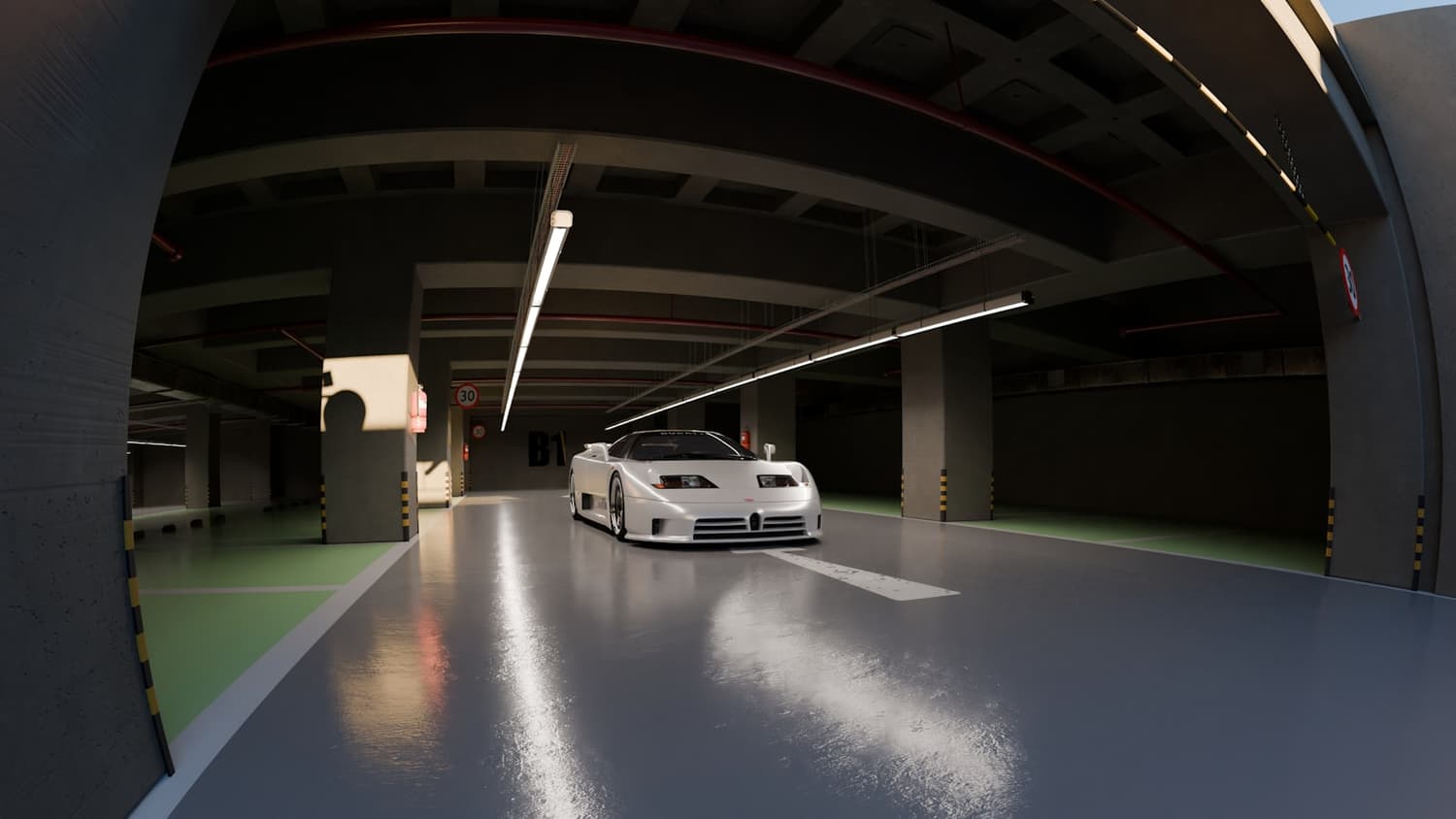
We walk the garage, check the slab for cracks and existing coatings, and run a moisture test before quoting, not after.
Square footage, coating system, and a flat price in writing before we grind anything.
The slab is mechanically ground to open the surface profile, then cracks and pits are filled and leveled. No acid etching, grinding is the only prep that reliably works at altitude and on Colorado's harder concrete mixes.
A moisture-appropriate primer, a pigmented base coat, and (if you choose flake) a full broadcast to refusal, timed to the day's temperature and humidity.
A clear polyaspartic or epoxy topcoat for abrasion and chemical resistance, then a walkthrough on cure times before you park or set anything down.
Epoxy garage floor systems typically run $5-9 per square foot installed for a full-prep, multi-coat job, more than a bargain roll-on kit, because the grinding and repair work is most of the labor. Below is what that turns into for a real garage, since a per-square-foot number alone doesn't tell you what to budget.
Get my flat written quoteA properly ground and sealed epoxy system holds up far better than bare concrete, which is porous and has nothing stopping mag chloride from soaking in. No coating is completely immune to salt buildup sitting in a puddle for weeks, so we'll also walk you through a quick rinse routine for the worst weeks of winter.
Light foot traffic is usually fine within 24 hours. We ask most homeowners to wait 3-5 days before parking a vehicle, and closer to a full week before rolling a heavy tool chest or car lift into place, so the system fully cures. We'll give you exact timing based on the system we use and the day's temperature.
Yes. At Lakewood's elevation, lower atmospheric pressure and typically low humidity change how fast epoxy sets up compared to sea-level installers' default timing. We adjust mix ratios and working time for the day's actual temperature and humidity rather than using a generic coating schedule.
Minor, stable hairline cracks get filled and ground flush as part of prep. An active crack that's still moving from slab settlement needs to be addressed structurally first, we'll tell you plainly if that's what we're looking at rather than coat over a problem that will just telegraph back through.
Clear the garage of vehicles, stored items, and anything on the floor. We handle grinding, repair, and all coating work as part of the job.
We broadcast an anti-slip additive into the topcoat on every garage floor by default, not as an upsell. A glass-smooth epoxy floor with snow melting off your car is a real fall risk, and we don't ship a floor that skips that step.
Same business day, Mon-Fri.